Your cart is empty.
Browse products


Blog
Taking Action: Steps to Improve Safety Signage
Taking Action: Steps to Improve Safety Signage To address the risks associated with insufficient or incorrect signage, businesses should take the following steps: Conduct a Safety Signage Audit Begin by conducting a thorough audit of your current safety signage. Identify any gaps, outdated signs, or areas where signage may be missing entirely. This audit should involve […]
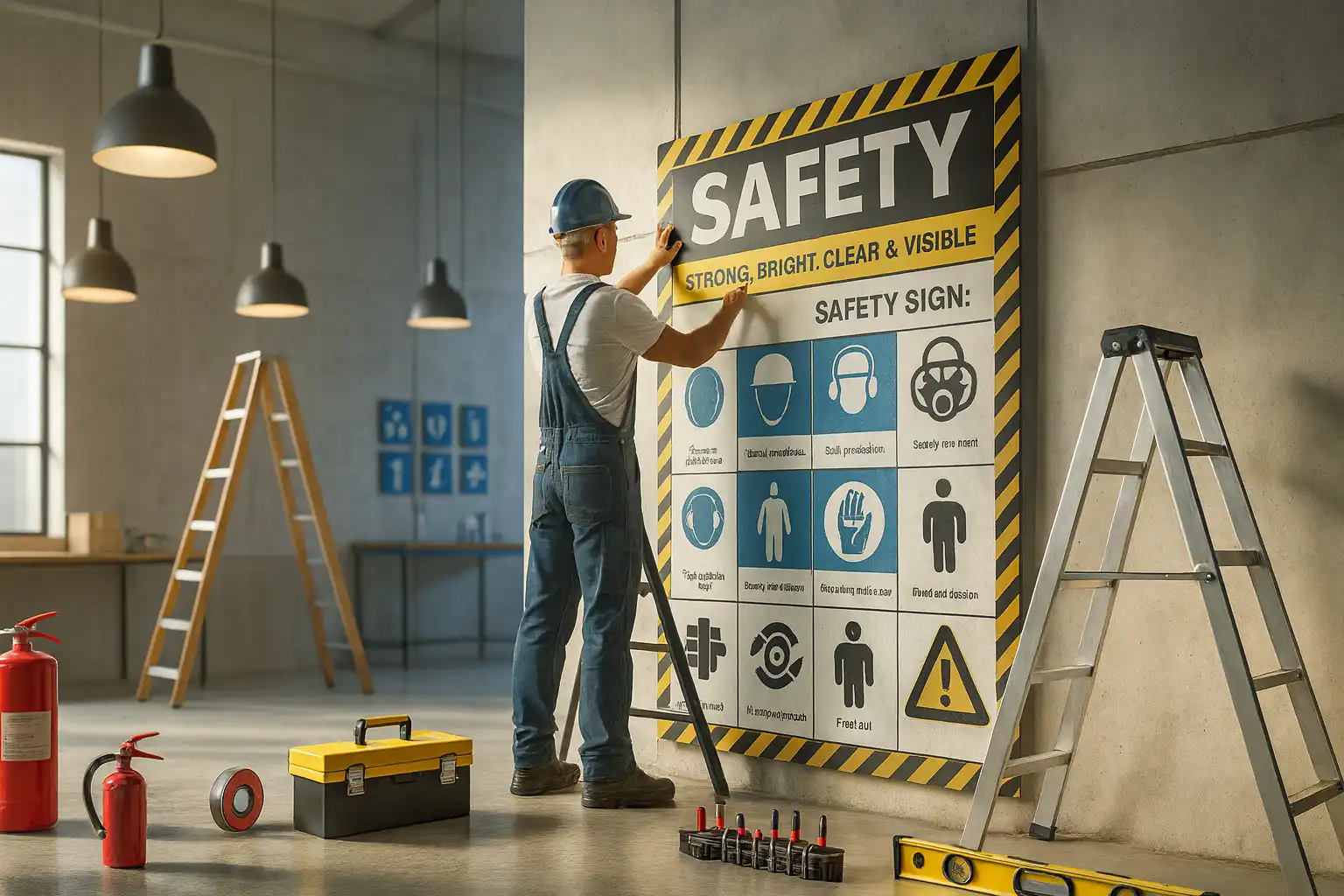
To address the risks associated with insufficient or incorrect signage, businesses must be proactive. Safety isn’t a “set and forget” process. Taking action to improve your safety signage is a critical component of risk management, ensuring that your workplace remains secure, compliant, and clearly communicative for everyone on site. Let’s explore the essential steps businesses should take to elevate their signage strategy.
Key points in this article
Here is a quick overview of the essential actions you need to take to improve your workplace safety signage:
-
Assess: Run a comprehensive audit of all existing signs.
-
Refresh: Promptly replace faded, damaged, or outdated signage.
-
Align: Guarantee strict compliance with Australian Standards.
-
Educate: Train your team to understand and react to safety symbols.
-
Upgrade: Invest in durable, high-quality materials for longevity.
Assessment and Maintenance
Conduct a Safety Signage Audit Begin by conducting a thorough audit of your current safety signage. Identify any gaps, outdated signs, or areas where signage may be missing entirely. This audit should involve a review of your workplace’s layout, processes, and risks, as well as consultations with employees who are directly involved in day-to-day operations.
Replace or Update Signs Regularly Safety signs should be replaced when they become faded, damaged, or outdated. Ensure that all signage remains visible, legible, and in good condition at all times. This is a simple yet effective way to prevent accidents and stay compliant with regulations.
Ensuring Strict Compliance
Ensure Compliance with Standards Check that your signage is consistent with AS/NZS 1319:1994 standards for safety signs, as well as any specific regulatory requirements in your industry. If in doubt, consult with a safety signage expert to ensure compliance. Meeting these specific standards ensures that your color coding, shapes, and symbols are universally understood and legally sound across Australia.
Empowering Your Team
Train Staff and Raise Awareness It’s not enough to simply have the right signs in place. Employees need to be trained to recognize and understand the signage. Conduct regular safety training and drills, ensuring everyone is aware of the meaning behind each sign and how to respond in an emergency. Fostering this awareness integrates the physical signage into your company’s daily safety culture, ensuring the signs act as active reminders rather than just background noise.
Maximizing Your Audit Strategy
To make your signage improvements even more effective, consider these actionable tips:
-
Schedule Routine Checks: Don’t wait for an annual review. Integrate quick sign inspections into your monthly or weekly health and safety walkthroughs.
-
Use Standardized Checklists: Create a checklist for your audits to ensure no sign category (danger, caution, emergency, fire) is accidentally overlooked.
-
Encourage Reporting: Create an open channel for workers to report damaged, obscured, or missing signs immediately. Your frontline workers are often the first to notice when a sign falls down or gets covered by equipment.
Long-term Investment and Conclusion
Invest in Quality Signage Opt for durable, high-quality signage that will withstand environmental factors and remain visible over time. Consider using signs with modern designs and universal symbols, as these can improve clarity and reduce confusion. Cheaper signs may save money upfront, but they often require frequent replacement due to UV fading or weather damage.
Conclusion Improving your safety signage is an ongoing commitment to the well-being of your workforce. By actively auditing your current setup, replacing damaged materials, and investing in high-quality, compliant signs—all while actively training your staff—you create a resilient safety network. Take these steps today to protect your employees and safeguard your business.


