
Your cart is empty.
Browse products



Blog
The Importance of Safety Signs in the Workplace
The Importance of Safety Signs in the Workplace In any work environment, safety is paramount. Whether you’re in a bustling industrial factory, a quiet office, or a busy construction site, safety signs play an essential role in keeping workers and visitors informed, alert, and protected. These signs are designed to communicate vital information, warn of […]
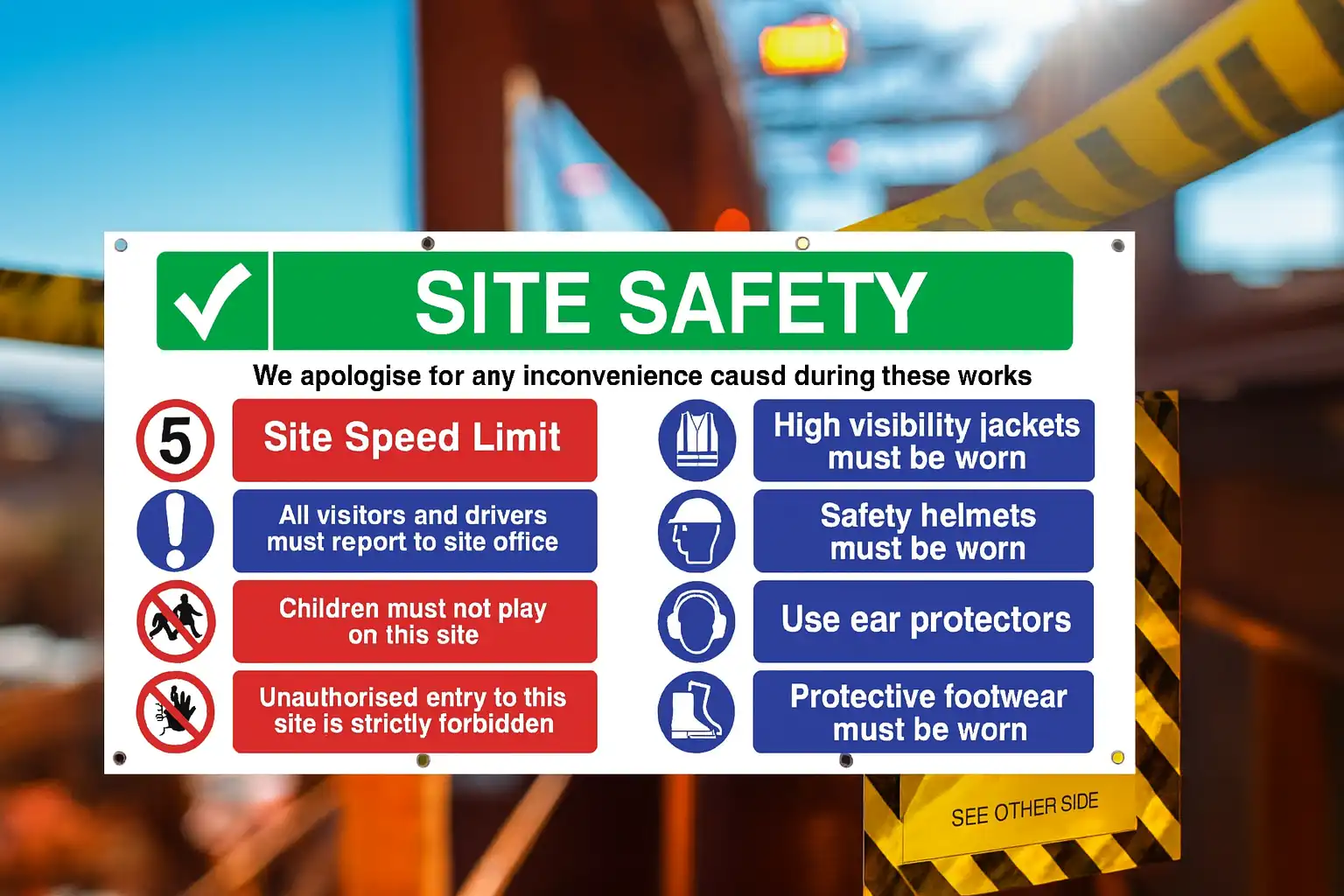
In any work environment, safety is paramount. Whether you’re in a bustling industrial factory, a quiet office, or a busy construction site, safety signs play an essential role in keeping workers and visitors informed, alert, and protected. These signs are designed to communicate vital information, warn of potential hazards, and ensure that everyone in the area understands the risks involved.
In this blog, we will explore why safety signs are critical, how they contribute to overall workplace safety, and the various types of safety signs that every business should consider using.
Key points in this article
Before diving into the specifics, here is a quick look at why safety signs are a non-negotiable part of any work environment:
-
Accident Prevention: They act as an immediate visual warning to stop injuries before they happen.
-
Strict Compliance: They keep your business legally sound and protect against hefty fines.
-
Emergency Direction: They provide instant, life-saving instructions during a crisis.
-
Universal Communication: They bridge language barriers through standardized symbols and colors.
Why Are Safety Signs Important?
Workplace safety signs aren’t just for compliance; they serve as one of the first lines of defense in accident prevention. Here are some reasons why they are essential:
Accident Prevention: Clear signage helps prevent accidents by alerting people of hazards before they encounter them. For instance, “Wet Floor” signs can prevent slips and falls, while “High Voltage” warnings can prevent electrical accidents.
Compliance with Legal Standards: Most countries have laws and regulations that mandate the use of specific safety signs in workplaces. Compliance ensures that businesses avoid hefty fines and potential lawsuits while demonstrating their commitment to employee safety.
Providing Critical Information: In emergency situations, safety signs provide essential instructions, such as the location of exits, fire extinguishers, first aid kits, or emergency eye wash stations. This helps in quicker response and mitigates injury or damage.
Improving Awareness: Safety signs increase awareness about specific workplace risks, whether it’s heavy machinery in operation, toxic substances, or prohibited areas. This constant reminder helps reinforce safe behaviors.
Types of Safety Signs
Safety signs come in various forms, each with a distinct purpose. Understanding the different types can help you choose the right signage for your workplace.
-
Prohibition Signs: These signs indicate actions that are not allowed, helping to control behavior and maintain order. Common examples include “No Smoking” and “Do Not Enter” signs. They are often depicted with a red circle and a diagonal line.
-
Warning Signs: Warning signs alert individuals of potential hazards. They are typically yellow and use symbols such as exclamation marks to highlight dangers, such as “Caution: Slippery Surface” or “Danger: High Voltage.”
-
Mandatory Signs: These signs indicate actions that must be taken to ensure safety. Blue backgrounds with white symbols, such as “Wear Protective Eyewear” or “Hard Hats Required,” are commonly used to convey mandatory instructions.
-
Emergency Information Signs: These signs provide guidance during emergencies, such as fire escape routes, first aid locations, and emergency phone numbers. They are often green and white for easy visibility in critical situations.
-
Fire Safety Signs: Fire safety signs guide people to fire-fighting equipment and fire exits, helping to minimize damage and protect lives during fires. They usually feature a red background with white symbols, making them easily recognizable.
Placement and Maintenance of Safety Signs
To ensure safety signs are effective, proper placement and regular maintenance are necessary. Simply purchasing the signs is only half the battle; integrating them correctly into your physical workspace is what ultimately saves lives.
Location Matters: Signs should be placed in easily visible areas where they can be noticed before encountering a hazard. For example, warning signs should be near danger zones, and fire exit signs should be placed directly above doors and along clear pathways. If a sign is placed too late in the hazard sequence, it loses its preventative power.
Best Practices for Sign Upkeep
To guarantee your signage remains effective day in and day out, follow these essential maintenance tips:
-
Regular Inspections: Like any safety equipment, signs should be regularly inspected to ensure they are still visible, intact, and not obstructed. Faded, damaged, or missing signs should be replaced promptly.
-
Use of International Symbols: Using standardized symbols ensures that the message is universally understood, even by people who may not speak the language or are unfamiliar with the specific workplace.
-
Keep Them Clean: Dust, dirt, and grease can quickly obscure a sign’s message. Incorporate sign cleaning into your regular facility maintenance schedule.
-
Check Lighting: A sign is useless if it’s in the dark. Ensure emergency signs are adequately lit or utilize photoluminescent (glow-in-the-dark) materials for power outages.
Conclusion
Safety signs are crucial tools in creating a safer workplace. They not only help prevent accidents but also ensure compliance with safety regulations. Proper use and maintenance of these signs can significantly reduce risks, protect employees, and promote a culture of safety.
Investing in clear, well-placed, and regularly maintained safety signs is a small step that can have a big impact on workplace safety. By promoting awareness and providing critical information, safety signs are a valuable part of any business’s safety strategy.


